
Researchers, practitioners, and stakeholders from across the environmental sciences, health, and built environment sectors gathered at the University of the West of England (UWE Bristol) on 16th June 2026 for a focus group discussion exploring how High-Performance Computing (HPC) can become more inclusive, accessible, trusted, and sustainable.
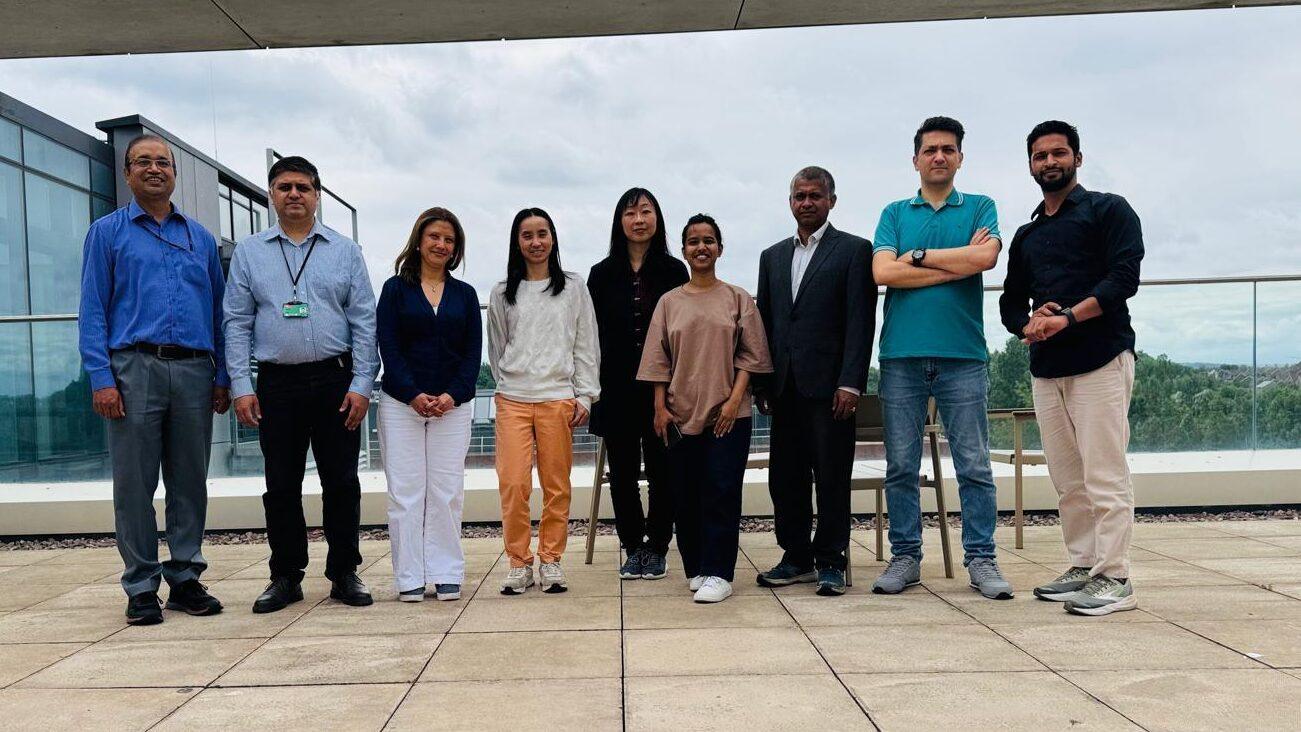
The event formed part of the NFCS NetworkPlus-funded project, Enhancing HPC Adoption Through User-Centred Design: A Roadmap for Inclusive Innovation in Environmental Science, Health and the Built Environment, led by Dr Tariq Umar (UWE Bristol).
Building on findings from a national survey, sector-specific workshops, international engagement activities, and HPC facility visits, the focus group sought to validate emerging findings and co-design recommendations for the future UK HPC ecosystem.
Discussions highlighted several persistent barriers to HPC adoption, including limited awareness of available facilities, skills and training gaps, complex access procedures, software compatibility issues, governance and trust concerns, and challenges associated with sensitive and commercially confidential data.
Participants emphasised that an inclusive HPC ecosystem should provide:
- Accessible and transparent entry routes for new users;
- Comprehensive training and skills development opportunities;
- User-friendly interfaces alongside advanced technical capabilities;
- Strong technical support and communities of practice;
- Flexible access arrangements that support collaboration across institutions and sectors.
Trust, governance, and data security emerged as particularly important themes. Participants stressed the need for transparent governance arrangements, trusted environments for sensitive research data, and federated infrastructure capable of supporting collaboration while maintaining appropriate safeguards.
Interactive Mentimeter exercises reinforced these priorities. Participants ranked beginner-friendly training and certification programmes as the highest-priority recommendation for the UK HPC Roadmap, followed by user-friendly interfaces, greater awareness of available facilities, and the creation of a national HPC user support network. Skills and training were also identified as the most important priority for an inclusive HPC roadmap, ahead of accessibility, user experience, and governance.
Participants further recommended that future investments should prioritise universities without local HPC facilities, public sector organisations, and researchers working in health, environmental science, and the built environment.
The findings will contribute directly to the development of project recommendations and a user-centred roadmap that will be shared with UKRI and wider stakeholders to inform future investment, policy, and infrastructure development across the UK HPC landscape.
The project team would like to thank all participants for their valuable contributions and continued engagement throughout the project.
The recommendations emerging from this project are intended to support future discussions on the UK HPC landscape. Researchers, infrastructure providers, policymakers, and industry stakeholders interested in contributing to this agenda are encouraged to get in touch. To learn more about the project, discuss the findings, or explore potential collaborations, please contact the project lead, Dr Tariq Umar.